


 Sell 4 Free Real Estate







SYCAMORE LAND TRUST PROTECTS RARE DUNE FOREST IN MAJOR MONROE COUNTY LAND ACQUISITION
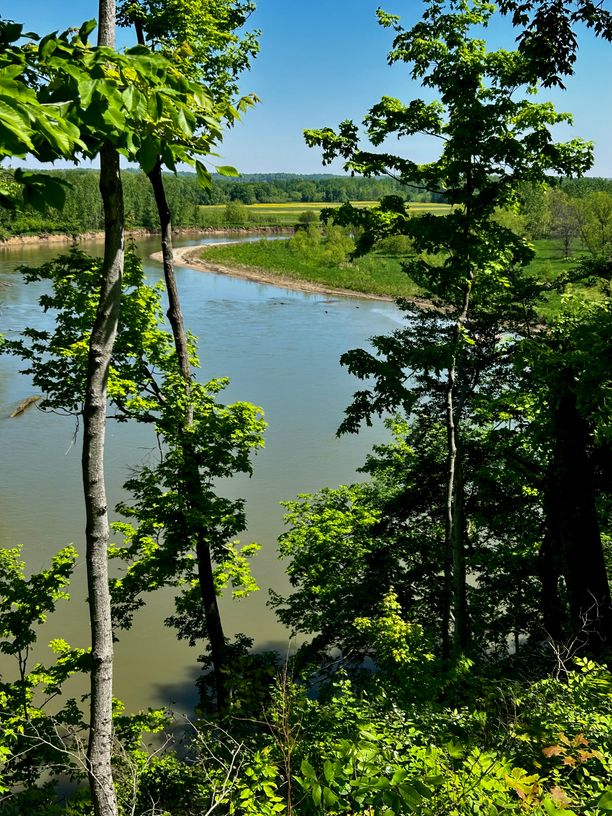
Sycamore Land Trust has permanently protected Martin Dune Forest, a remarkable 195-acre property in northwestern Monroe County near the confluence of Beanblossom Creek and the White River. The acquisition expands the western boundary of Sycamore's Beanblossom Creek Conservation Area to more than 2,600 acres of protected land, strengthening one of southern Indiana's most important corridors of connected wildlife habitat.
Martin Dune Forest encompasses a diverse landscape of ancient sand dunes, mature forests, groundwater-fed wetlands, streams, and former agricultural fields. Located along the White River near Gosport, the property protects rare geological features, valuable wildlife habitat, and important water resources within the Beanblossom Creek watershed.
One of the property's most distinctive features is its forested dunes, formed thousands of years ago by windblown sand. These unusual landforms support plant and animal communities adapted to the sandy soils, contributing to the remarkable biodiversity found within Martin Dune Forest.
Approximately 145 acres of the property are forested, providing important nesting and stopover habitat for migratory birds, including species of conservation concern such as cerulean warblers and eastern whip-poor-wills. During a recent bird survey, Sycamore staff documented 60 bird species in just two and a half hours, illustrating the property's importance for bird conservation. The forests, wetlands, and riparian habitats also provide suitable habitat for numerous other wildlife species, including the federally endangered Indiana bat and other threatened bat species.
This acquisition expands the western boundary of Sycamore’s Beanblossom Creek Conservation Area, a growing network of protected land along Beanblossom Creek and the West Fork White River. By conserving connected landscapes, Sycamore helps safeguard water quality and preserve vital corridors for wildlife to move between increasingly fragmented natural areas.
"Protecting Martin Dune Forest is an exciting step forward for our work in the Beanblossom Creek Conservation Area," said Tom Swinford, Sycamore Land Trust’s Land Preservation Director. "After conversations and site visits, our admiration grew—for both the land and the family who has stewarded it for generations. This property is special in its own right, but its conservation value grows when it becomes part of a larger protected landscape. By connecting and protecting these habitats, we're helping create healthier, more resilient ecosystems in southern Indiana."
The acquisition carries forward the conservation legacy of the Martin family, who cared for the property for generations. The late John and Norma Martin deeply valued the land's forests and wetlands, and their children, Michael, Sarah, Tim, and Martha, have continued that commitment to conservation.
"Our dad treasured the land where he grew up and wanted to share the joy he found there with generations to come," the Martin siblings shared.
John Martin was the president of Habitat for Humanity of Monroe County during its early years, after it was founded in 1988 and operated entirely by volunteers until 1997.
Sycamore plans to build on the Martin family's stewardship through habitat restoration and long-term conservation management. Future projects will include reforesting former agricultural fields, controlling invasive species, conducting plant and wildlife surveys, and enhancing native plant communities. These efforts will improve habitat for migratory birds, threatened and endangered wildlife, and other native species, while protecting the health of the Beanblossom Creek and White River watersheds.
Martin Dune Forest builds on Sycamore's decades-long effort to protect the Beanblossom Creek watershed. That work began in 1993 with Sycamore's first land donation along Beanblossom Creek from local conservationist Barbara Restle, who recently passed away at the age of 100. Since then, Sycamore's conservation efforts along Beanblossom Creek have grown into an expansive network of more than 2,600 acres of protected forests, wetlands, grasslands, and other increasingly threatened habitats.
With the acquisition of Martin Dune Forest, Sycamore has reached another significant milestone, surpassing 12,000 acres of permanently protected land across southern Indiana. The organization has now protected 12,015 acres since its founding in 1990.
Another major initiative within the Beanblossom Creek Conservation Area is Sycamore's new Carl Ziegler Wetlands and Education Center, currently under construction near Dolan in Monroe County. Scheduled to open in 2027, the center will provide the first permanent home for Sycamore's environmental education program, with indoor and outdoor classrooms, restored wetlands along Beanblossom Creek, and opportunities for people of all ages and abilities to experience the wonder of nature and embrace their role in protecting it.
These projects demonstrate Sycamore's commitment to landscape-scale conservation, restoring wildlife habitat, protecting clean water, and connecting people with the forests, wetlands, and waterways that define southern Indiana.